
Fez Travel
Address : Hocapasa Mah. Tayahatun Sok. Sukran Han No:3,Kat:3 - Istanbul/TurkeyPhone : +90 212 520 04 34
Email : feztravel@feztravel.com
Web : www.feztravel.com
Caucasus Discovery
Tour Link : https://www.feztravel.com/fez/caucasus-discovery_TC_CAU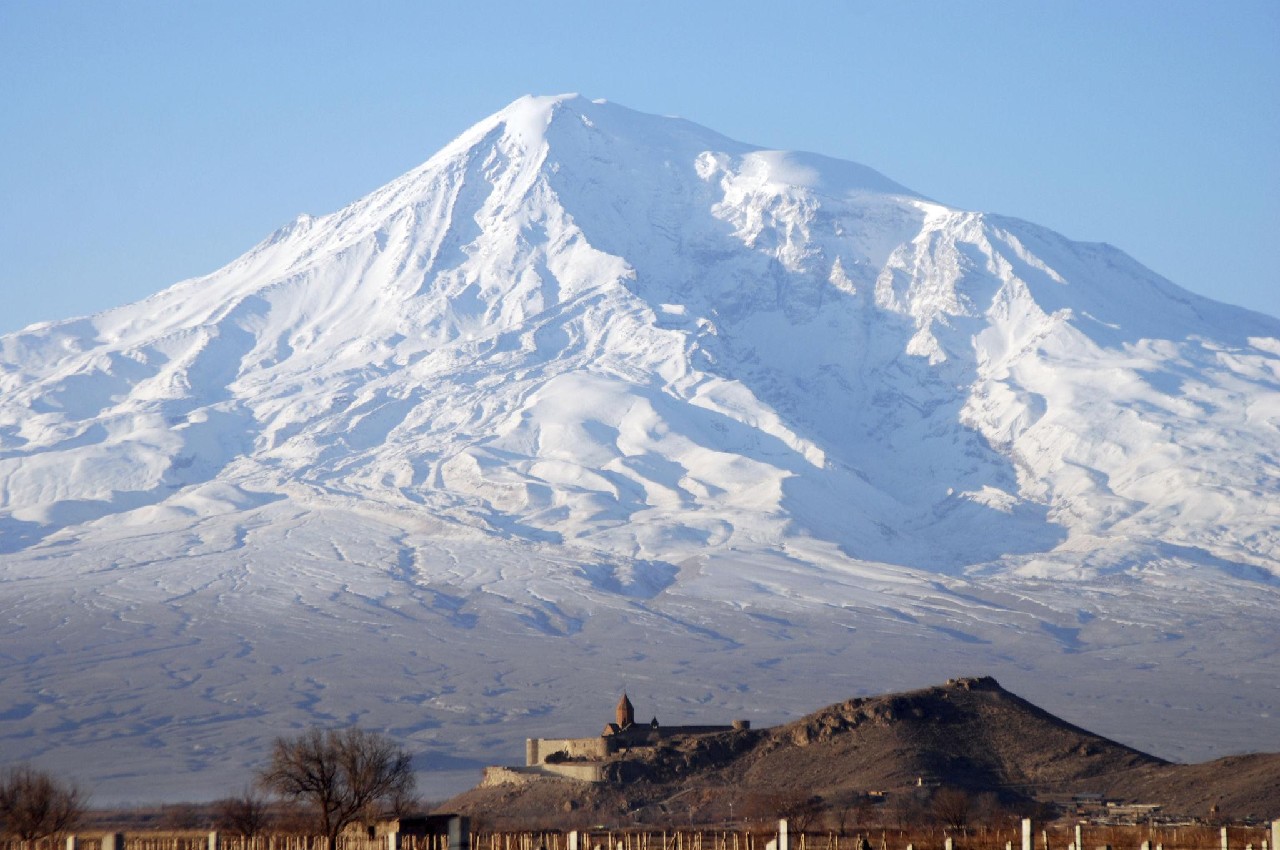
Emergency Contact
Pinar: +90 533 280 77 39 or Canan: +90 532 374 49 51
Head Office (Turkey) Pinar: +90 533 280 77 39 or Canan: +90 532 374 49 51
| Table Of Contents | ||
|---|---|---|
| Emergency Contact | ||
| Arrival Info | ||
| Travelling Distances | ||
| Hotels used on this tour | ||
| Tipping | ||
| Money | ||
| Travel Insurance | ||
| General Info |
Arrtival Info
Arrival Hotel :
One of the hotels offered or similar ones will be confirmed, depending on availability at the time of booking.
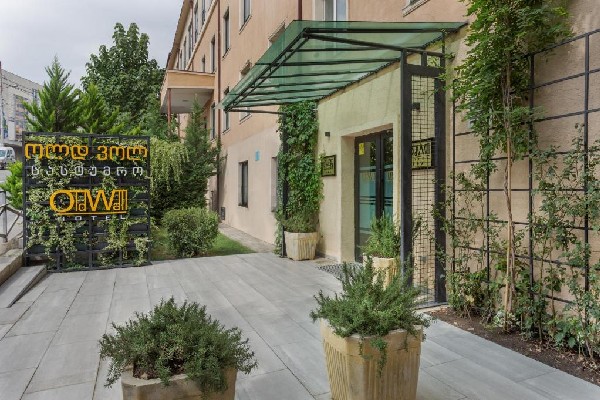
Hotel options for Tbilisi: Old Wall Hotel 4*, Reikartz King Tamar 4*, Royal Inn 4* or similar
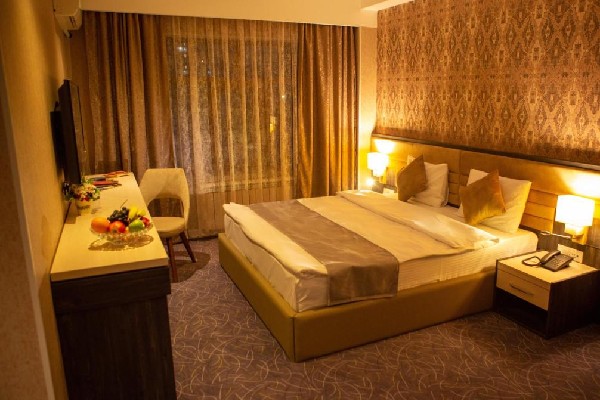
Hotel options for Baku: Parkway Inn Hotel and Spa 4*, Old Street Boutique Hotel 4*, Sunday Hotel Baku 4* or similar
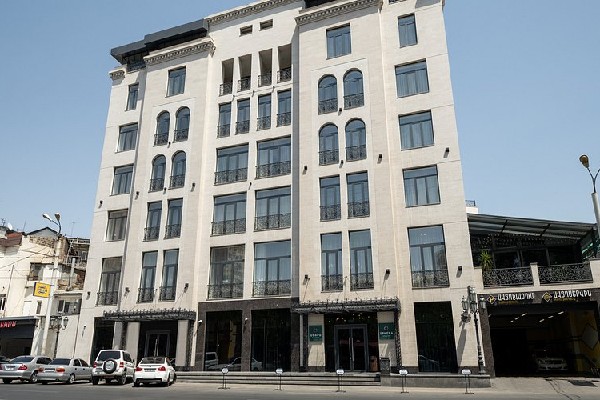
Hotel options for Yerevan: Sphera Yerevan 4*, Dynasty 4*, Revive 4* or similar
Travelling Distances
Distances and times are taken from Google Earth and are therefore approximate. They do not allow for or include, food / toilet stops, weather, traffic, border crossings, road works, detours etc. Distances and times are 'driving' distances and times unless otherwise stated. Greek Island ferries, Cruise Ships, Egyptian feluccas and Turkish Gulets are at the mercy of the prevailing weather conditions and that they stop along the way to visit the various sites and swim stops etc.
Hotels used on this tour
The following hotels are used on this tour for departures and pre/post tour accommodation within the given date ranges. They are also the default hotel for pre/post tour accommodation on tours that don't include accommodation, such as day tours. This is intended to give an idea of the type of accommodation that may be expected. The actual hotels used for any given tour may change due to many reasons such as group size, availability, time of year, hotel standard has dropped or simply we found a better hotel. If we do change hotels it will be to a hotel of equal or higher standard and will be at no extra cost. Where more than one hotel is shown for a given an overnight stop this means that one of those hotels will be used.
Hotel in Baku
|
Address : City : Baku Suburb : Phone : Web : |
|
Hotel in Tbilisi
|
Address : City : Tbilisi Suburb : Phone : Web : |
|
Hotel in Yerevan
|
Address : City : Yerevan Suburb : Phone : Web : |
|
Tipping
Tipping is not compulsory in the Caucasus, but it is appreciated for good service. In Azerbaijan, Georgia and Armenia, tipping has become more common in hotels, restaurants and tourist areas, especially for guides, drivers and hospitality staff.
As a general guideline, you may wish to consider the following:
Local guide: USD 5–10 per person, per day
Driver: USD 3–5 per person, per day
Hotel porters: USD 1–2 per bag
Restaurants: 5–10% of the bill if service is not already included
Small local services: A small amount in local currency is appreciated
Tips for guides and drivers are often given in US dollars or euros, while smaller tips in cafés, restaurants and hotels are best given in the local currency of the country you are visiting. Tipping is always at your discretion and should reflect the level of service received.
Money
This tour visits three countries, each with its own currency:
Azerbaijan: Azerbaijani Manat / AZN
Georgia: Georgian Lari / GEL
Armenia: Armenian Dram / AMD
Foreign currency is not normally used for everyday purchases, so travellers should use the local currency in each country. US dollars and euros are the easiest currencies to exchange, especially in the main cities. Banknotes should be clean, undamaged and preferably recent issue, as old, torn or marked notes may not be accepted.
Money can be exchanged at banks, official exchange offices, airports and some hotels. Exchange rates may vary, so it is advisable to check the rate before changing larger amounts. Avoid exchanging money with unofficial street dealers.
ATMs are available in major cities such as Baku, Tbilisi and Yerevan, as well as in many larger towns. However, ATM access and card acceptance may be limited in rural areas, small towns and local markets. We recommend withdrawing or exchanging enough cash before travelling to more remote regions.
Credit and debit cards are accepted in many hotels, restaurants and shops in the capital cities and larger tourist areas, but cash is still useful for small purchases, tips, local cafés, markets and personal expenses. Visa and Mastercard are the most widely accepted cards.
Travel Insurance
Comprehensive travel insurance is strongly recommended for all travellers joining this tour. Your insurance should cover all countries visited on the itinerary: Azerbaijan, Georgia and Armenia.
Your policy should include medical expenses, emergency evacuation, trip cancellation, lost or delayed luggage, personal liability and any activities included in your itinerary. Medical facilities are generally better in capital cities, but standards may vary outside major urban areas. In the event of a serious illness or accident, medical evacuation may be required, which can be costly without adequate insurance.
Before departure, please check that your travel insurance includes:
Emergency medical treatment abroad
Medical evacuation and repatriation
Cancellation and curtailment cover
Lost, stolen or delayed baggage
Personal belongings and travel documents
24-hour emergency assistance
Coverage for Azerbaijan, Georgia and Armenia
Please carry your insurance policy number and emergency contact details with you during the trip. It is also advisable to keep a digital copy of your policy, passport and important travel documents in your email or cloud storage.
General Info
The Caucasus is a fascinating region where Europe and Asia meet, offering a rich mix of history, culture, mountain scenery, traditional cuisine and warm hospitality. This journey introduces three distinct countries: Azerbaijan, Georgia and Armenia.
Azerbaijan is known for its contrast of ancient and modern, from the historic Old City of Baku to the contemporary architecture of the capital and the fire-linked landscapes of the Absheron Peninsula. Georgia offers a blend of mountain scenery, wine traditions, Orthodox churches, charming old towns and lively local culture. Armenia is one of the world’s oldest Christian countries, with dramatic monasteries, deep cultural heritage, mountain views and a strong tradition of hospitality.
The main languages are Azerbaijani in Azerbaijan, Georgian in Georgia and Armenian in Armenia. Russian is also widely understood in many areas, especially among older generations. English is increasingly spoken in hotels, restaurants and tourist sites, but may be limited in rural areas.
The region is culturally diverse and generally welcoming to visitors. Travellers should dress respectfully, especially when visiting churches, monasteries, mosques and other religious sites. Shoulders and knees should be covered when entering religious buildings, and women may be asked to cover their hair in some churches or monasteries.
The climate varies depending on the season and altitude. Summers can be hot in the cities, while mountain areas may be cooler. Spring and autumn are generally pleasant for sightseeing, but weather can change quickly in mountain regions. We recommend packing layers, comfortable walking shoes, a light rain jacket, sun protection and a reusable water bottle.
Tap water quality varies by location. Bottled or filtered water is recommended if you are unsure, especially outside major cities. When eating out, choose food that is freshly prepared and served hot.
Photography is usually allowed at tourist sites, but restrictions may apply in border areas, military zones, airports, museums and some religious buildings. Always ask before photographing people, particularly in rural areas, markets and places of worship.
Please note that border and regional conditions in the Caucasus can change. Travellers should follow the advice of their guide and avoid restricted or sensitive border areas. The land border between Azerbaijan and Armenia is not used for tourist travel on this itinerary; travel between the countries is arranged via Georgia.
Normal travel precautions should be taken throughout the tour. Keep valuables secure, avoid carrying large amounts of cash in public, use hotel safes where available and keep a copy of your passport and travel documents separate from the originals.